

Gaggle Speaks

Ideas, news, and advice for K-12 educators and administrators to help create safe learning environments.

Student Safety Student Mental Health Technology

Choosing a School Safety Net


Choosing a School Safety Net
3:24
close
Written by Gaggle
on May 8, 2026

Students communicate through email, shared documents, chat platforms, and external apps, often moving between them throughout the day. According to the Pew Research Center, 95 percent of U.S. teens report having access to a smartphone¹.

As student communication increasingly spans multiple digital platforms, understanding the components of a structured safety approach can help districts evaluate solutions more effectively.

Visibility Across the Digital Environment 

Monitoring only a single platform or browser can leave important context unseen. Concerning activity may appear in several places or move between platforms over time.

Signals that appear harmless in isolation may become clearer when context is added. For this reason, districts prioritize safety systems that provide visibility across the entire digital environment rather than tools that monitor only a single application or service.

 
Contextual Detection emoji_blog_insta_post

Students rarely communicate distress in simple or direct terms. Language is nuanced and may include slang, emojis, indirect references, coded phrasing, or evolving online terminology. In some cases, students experiencing distress may communicate signals online before seeking help offline.

While keyword filtering can identify certain risks, it can also generate large volumes of alerts and struggle to interpret context. A keyword alone may be difficult to assess without understanding tone, intent, or surrounding content.

Advanced systems evaluate patterns and the surrounding context alongside individual terms. This type of analysis helps distinguish between everyday student communication and language that may indicate a potential safety concern.


Human Review and Escalation 

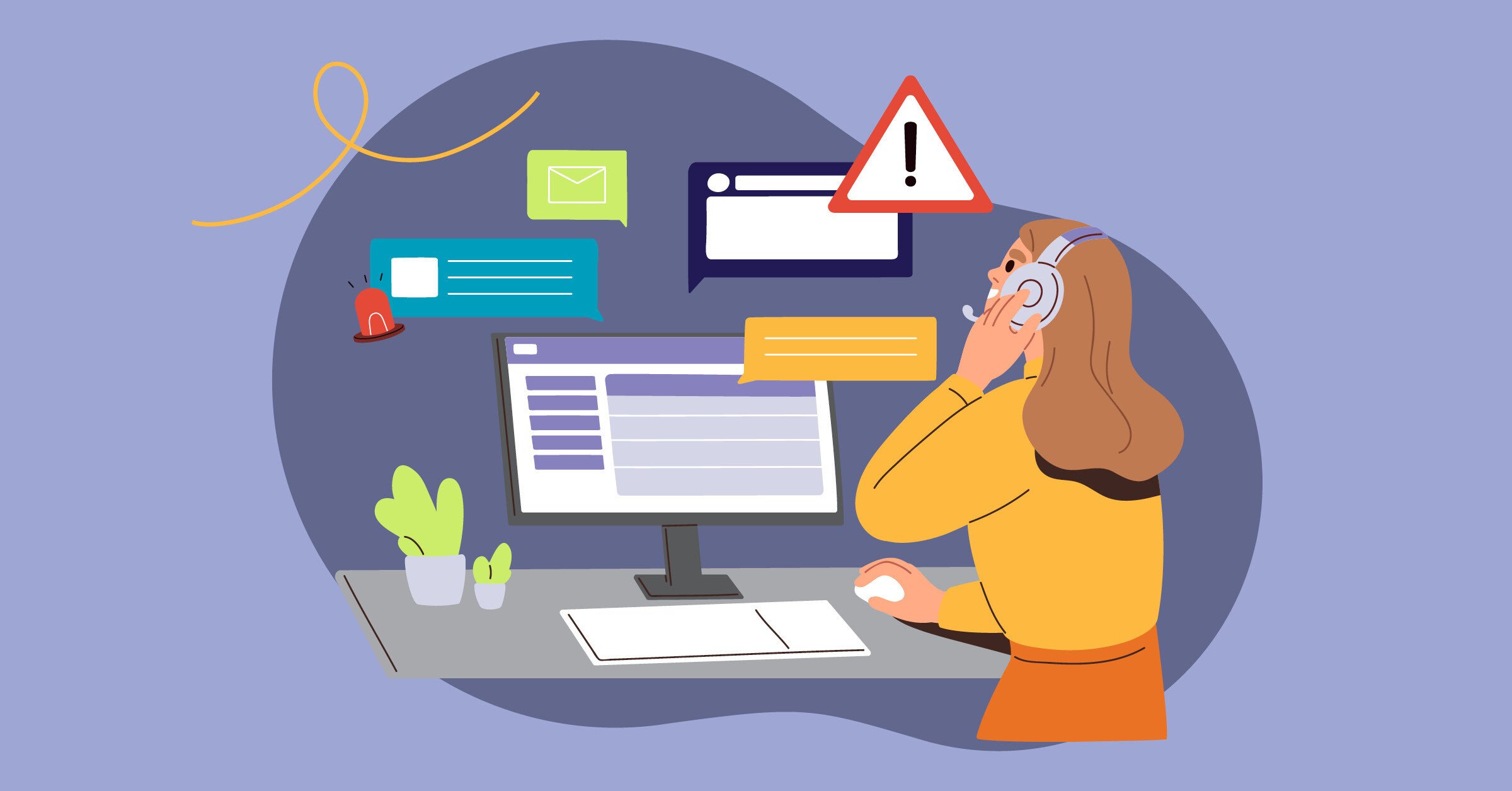
Automated systems can flag thousands of alerts, but without human evaluation, districts face false positives or miss critical context. Trained expert safety reviewers examine alerts within their broader context, categorize and route them by level of urgency, helping ensure credible concerns receive appropriate attention.

When a situation may require district involvement, reviewers escalate the alert so school staff can respond according to their established procedures.


Alignment With District Safety Processes 

Most districts already operate within structured support frameworks involving administrators, counselors, and safety teams. Effective safety systems support defined escalation pathways, clear notification processes, and documentation that aligns with existing district safety procedures.

When systems integrate clearly and efficiently into existing workflows, staff can focus on responding to concerns rather than managing fragmented alerts.


B2S-2223-SafetyNetBuilding a Coordinated Safety Approach  

Monitoring tools can surface signals, but effective student safety programs depend on how visibility, contextual detection, human review, and response processes work together.

When these elements work together, districts can move beyond the noise of isolated alerts and create a coordinated approach to identifying and responding to student needs and well-being.


References  

 ¹ Pew Research Center. Teens, Social Media and Technology 2024.
https://www.pewresearch.org/internet/2024/12/12/teens-social-media-and-technology-2024/ 


Let Us Know What You Thought About This Post.

Put your comment below.

You may also like:

Student Safety Student Mental Health Technology

Mental Health Begins With Awareness

May is Mental Health Awareness Month, a time to reflect on how we support student well-being in meaningful, lasting ways...

Student Safety Student Mental Health Technology

New Product Updates Designed to Help Schools Support Students Faster

At Gaggle, our goal is simple. Help schools identify students who may need support and make it easier for teams to take ...

Student Safety Student Mental Health Technology

A Year of Customer-Focused Enhancements at Gaggle 2025

At Gaggle, we spent 2025 delivering product updates that help K–12 districts keep students safer, reduce friction, and g...