


“Begin with the end in mind.” This is sage advice but things are not always so simple, particularly when it comes to human beings.
In clinical practice, it was a privilege to witness people coming to therapy and working to improve their mental health, gain insight into themselves, heal from past trauma, and experience psychological change. The beautiful - and powerful - thing about mental health is that it is never too late to seek help, and at the same time, having access to mental health care in childhood and adolescence is a true gift that can have lifelong benefits. Gaggle is in the business of saving lives but as our founder, Jeff Patterson, is quick to point out, lifetimes matter too.
Today, 1 in 5 adolescents has a diagnosed mental or behavioral health condition, and 40% of high schoolers report persistent feelings of sadness or hopelessness, a figure that has climbed 10 percentage points over the past decade. Nearly half of young people under 18 have experienced at least one adverse childhood experience. The sad truth is that half of all lifetime mental illness begins by age 14, and 75% by age 24.1
This underscores the critical importance of access to mental health care starting in childhood. This also highlights the opportunity before us to positively impact the lifetimes of today’s youth by providing access to care early in life. Longitudinal studies following children into adulthood find that those who received early treatment show dramatically reduced mental health symptoms at age 30, along with greater economic well-being compared to peers who may not have had access to early mental health treatment.2
Schools are uniquely positioned to support youth mental health;3 mental health challenges don't stay outside the classroom door - they show up in how students focus, behave, and connect with others.4 Students who are mentally well attend school more frequently than those who are not.5 Schools that invest in student mental health are also investing in better learning outcomes - yet for schools to do this effectively, they need access to services that are accessible, coordinated, and easy to activate.
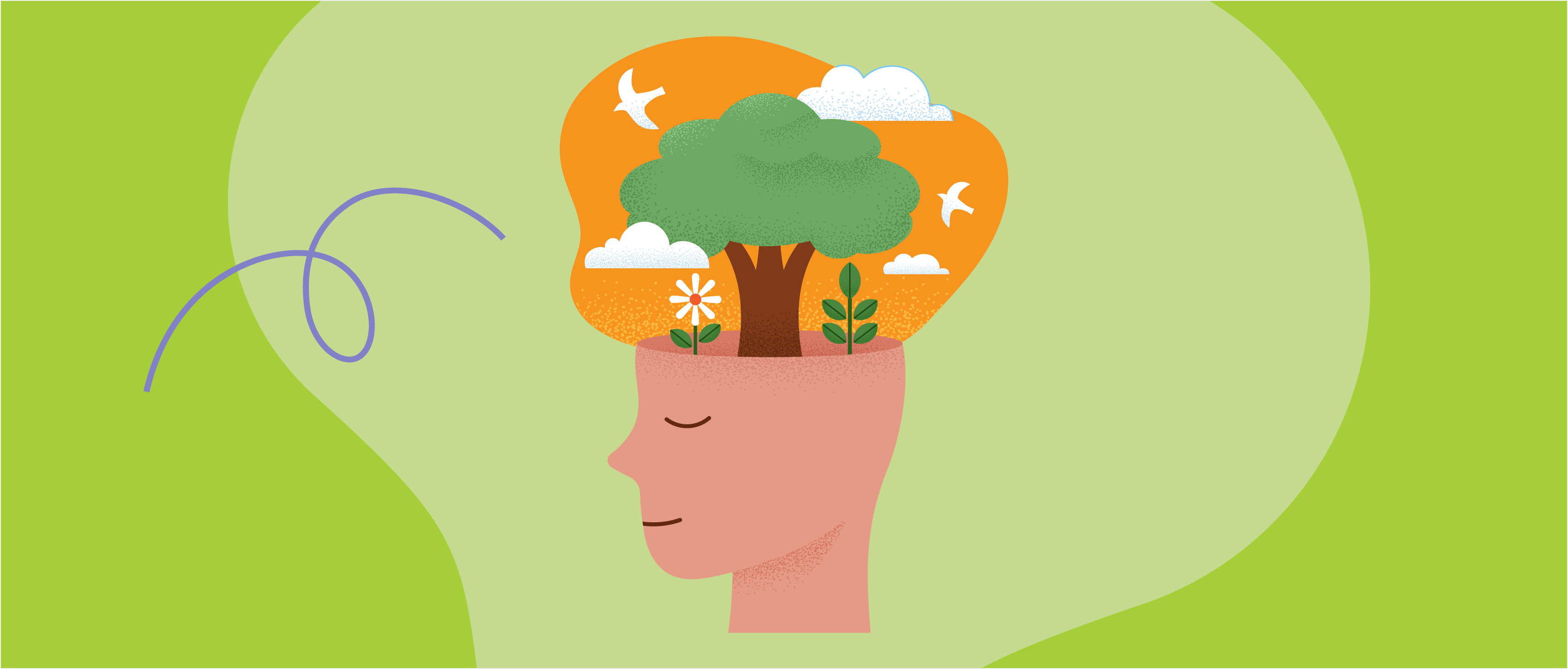
When mental health support is provided early, the positive effects are profound and lasting. Therapists who work with students through Gaggle Therapy often remark on the deep satisfaction they have, as they witness firsthand the impact therapy has on the students - and knowing that they may be another potential protective factor in a student's life. Mental health work with children allows for an ounce of prevention to produce a pound of cure.
During the month of May, we focus on Mental Health Awareness; we celebrate all that has been done to reduce stigma and increase access to mental health care. We invite you to continue to champion early intervention and mental health support for students. Our shared goal is simple: to make sure every student knows they are seen, cared about, and that their lifetimes matter to us - lifetimes that can be fuller, healthier, and brighter with right mental health support.
Sources:
1 https://www.cdc.gov/healthy-youth/mental-health/index.html
2 https://pmc.ncbi.nlm.nih.gov/articles/PMC7668611/
3 https://www.sciencedirect.com/science/article/pii/S221265702500011X#bib0020
4 https://www.cdc.gov/mental-health-action-guide/media/pdfs/DASH_MH_Action_Guide_508.pdf
5 https://mhanational.org/blog/impact-school-mental-health-services-reducing-chronic-absenteeism/


Let Us Know What You Thought About This Post.
Put your comment below.